 By Lawrence Perez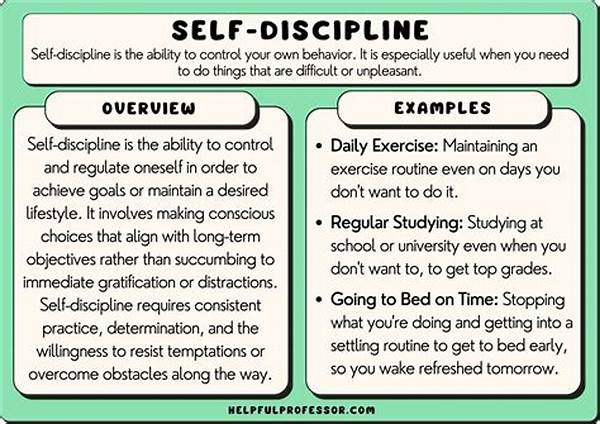
 0
0
 0
0
Self-discipline is a cornerstone of effective learning and personal development within the educational landscape. Students who cultivate self-discipline can regulate their behavior, manage their time efficiently, and achieve their academic goals with minimal external supervision. Moreover, educators and parents increasingly recognize the importance of integrating self-discipline techniques in education to foster an environment conducive to independent learning and critical thinking. This article explores various self-discipline strategies and their impact on students’ educational journeys.
Read Now : Innovative Teaching Strategies Implementation
The Importance of Self-Discipline Techniques in Education
The integration of self-discipline techniques in education holds significant importance in today’s fast-paced world. As education evolves, students are required to take more responsibility for their learning outcomes. Self-discipline techniques empower students to establish their study routines, enhance concentration, and achieve personal and academic objectives with consistency.
These techniques also play a crucial role in reducing procrastination and boosting productivity. By fostering an environment where self-discipline is prioritized, students learn to value time management and goal-setting, which are essential skills not only in academics but also in life beyond school. Moreover, self-disciplined students exhibit greater perseverance and resilience, qualities that enable them to face academic challenges with confidence and determination.
Incorporating self-discipline techniques in education also prepares students for lifelong learning. As they progress through different educational stages, these techniques become foundational tools for personal growth and professional development. Consequently, educators and institutions are emphasizing self-discipline as a vital component of modern education, recognizing its potential to cultivate responsible, independent, and motivated learners.
Effective Self-Discipline Techniques for Students
1. Setting Clear Goals: Establishing specific, measurable, achievable, relevant, and time-bound (SMART) goals is crucial. This enables students to focus and align their efforts in a structured manner.
2. Time Management: Effective planning and allocation of time to various activities ensure that academic tasks are completed punctually, reducing stress and enhancing efficiency.
3. Mindfulness and Reflection: Engaging in regular reflection allows students to assess their progress and recalibrate strategies as necessary. Mindfulness practices can improve concentration and reduce anxiety.
4. Creating Structured Environments: A designated study space free from distractions promotes concentration and discipline, allowing students to focus unimpeded.
5. Positive Reinforcement: Encouraging oneself with rewards after the completion of specific tasks can reinforce positive behavior and sustain motivation toward self-discipline in the long term.
Applying Self-Discipline Techniques in the Classroom
Educators play a pivotal role in integrating self-discipline techniques in education by creating classroom environments that promote autonomy and accountability. Teachers can implement structured routines that encourage students to take ownership of their learning. For instance, setting consistent classroom schedules and providing clear guidelines help students understand expectations and self-regulate their behavior.
Collaboration is another approach that fosters self-discipline. Group projects and peer assessments teach students the value of shared responsibility and discipline in communication. Educators can also use technology to support self-discipline techniques. Educational apps and digital platforms enable students to track their progress, set reminders for tasks, and access resources at their convenience, reinforcing time management and organizational skills.
In conclusion, the integration of self-discipline techniques in education is a shared responsibility between educators and students. By instilling these techniques early in the educational journey, educators equip students with the skills necessary to succeed academically while preparing them for the complexities of the real world. The positive outcomes of self-discipline extend beyond academic achievement, paving the way for a well-rounded, adaptable, and self-driven individual.
Self-Discipline Techniques for Diverse Learning Needs
Students exhibit varied learning styles, and self-discipline techniques in education must adapt to accommodate these differences. For visual learners, incorporating graphic organizers and visual aids can assist in structuring information effectively. On the other hand, auditory learners benefit from discussions and verbal instructions that maintain focus and engagement.
1. Differentiated Instruction: Tailoring instruction based on students’ individual needs enhances self-discipline by providing personalized pathways for learning.
Read Now : Student-oriented Citation Solutions
2. Interactive Technology: Utilizing educational software that adjusts to students’ pace helps in setting manageable goals, fostering self-discipline.
3. Goal-Oriented Learning: Encouraging students to set personal benchmarks cultivates intrinsic motivation, a key component of self-discipline.
4. Routine Establishment: Creating consistent daily schedules helps students form habits that contribute to long-term discipline and accountability.
5. Feedback and Monitoring: Providing regular constructive feedback guides students in self-assessment and fosters the development of effective self-regulation strategies.
Cultivating a Self-Discipline Culture in Education
Developing a culture of self-discipline within educational institutions requires a collaborative effort. Schools must prioritize self-discipline techniques in education across all levels. Administrators can support this initiative by providing professional development programs for teachers that focus on strategies to teach and reinforce discipline effectively.
Parents also serve as integral partners in reinforcing self-discipline at home. Encouraging routines and providing a supportive environment for homework and study cultivate necessary habits outside the classroom. Additionally, parental involvement in school activities emphasizes the importance of responsibility and discipline in the educational process.
Furthermore, self-discipline techniques in education should evolve with technological advancements and changing educational paradigms. As digital learning becomes more prevalent, educators and students alike must navigate new environments where self-discipline remains a defining factor in the success of educational outcomes. By embracing these changes, schools can adequately prepare students for future work environments that increasingly demand self-directed learning and adaptability.
Strategies for Implementing Self-Discipline Techniques
The implementation of self-discipline techniques in education can take various forms. Educators might consider incorporating project-based learning, which naturally cultivates discipline as students work towards long-term goals. Encouraging student-led conferences also provides learners with opportunities to reflect on their progress and articulate learning objectives, reinforcing accountability and self-regulation.
Encouraging self-reflection through portfolios or journals helps students track their growth over time, offering tangible evidence of the benefits of self-discipline. Schools can create environments that celebrate achievements rooted in disciplined efforts, instilling a sense of pride and motivation for other students to emulate.
In summary, self-discipline techniques in education are not merely supplementary tools; they are essential frameworks that support holistic student development. By fostering environments where discipline is valued and practiced, educators and institutions prepare students for academic success and a lifetime of learning. As education systems continue to adapt to changing times, the consistent integration of self-discipline strategies will undoubtedly remain a fundamental pillar of effective education.


