 By Lawrence Perez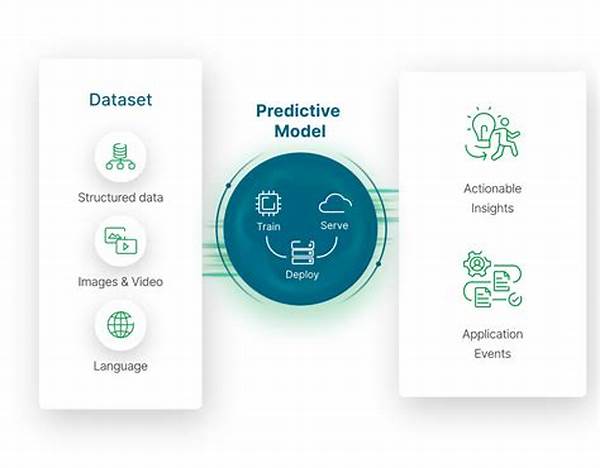
 0
0
 0
0
Understanding Predictive Modeling in Academic Research
Predictive modeling is a statistical technique that leverages historical data to predict future outcomes, and it has gained considerable attention within academic research. The application of predictive modeling for dissertation purposes involves using advanced algorithms and statistical tools to analyze past datasets, assess patterns, and develop models that anticipate future trends. This approach is particularly beneficial in fields such as economics, social sciences, and health sciences where data-driven decisions are paramount.
Read Now : Developing A Coherent Literature Review Framework
Implementing predictive modeling in dissertations allows researchers to provide empirical evidence supporting their hypotheses. The detailed analysis fostered by predictive modeling offers a robust framework that helps in identifying trends, facilitating informed decision-making, and contributing to the field’s body of knowledge. Furthermore, dissertations employing predictive modeling methodologies often stand out for their methodological rigor and predictive power, proving invaluable for academic and real-world applications. Researchers striving to produce impactful work increasingly turn to this approach, recognizing its potential to yield high-quality insights and enhance the dissertation’s contribution to scholarly discourse.
The use of predictive modeling for dissertation work also demands a strong foundation in quantitative research methods and familiarity with software tools like R, Python, or SPSS. Scholars need to carefully select the appropriate algorithm, be it regression analysis, decision trees, or machine learning techniques, to suit their research question. Rigorous validation of the model’s outputs is essential to ensure reliability and accuracy, marking the difference between a mere academic exercise and a meaningful contribution to the discipline involved.
Key Components of Predictive Modeling for Dissertation
1. Data Collection and Preparation: The foundation of predictive modeling for dissertation is collecting relevant datasets and transforming them into a format suitable for analysis. The quality of the data significantly influences the accuracy of the predictive model.
2. Model Selection: Selecting the appropriate model is crucial. Depending on the dataset and research question, various models like linear regression, logistic regression, or more advanced techniques like neural networks can be employed.
3. Algorithm Implementation: Implementing algorithms correctly is vital in constructing an accurate predictive model. Researchers need to understand the mathematical foundations of the algorithms to tailor them to their specific needs.
4. Model Evaluation: Once a model is developed, it needs to be rigorously tested and validated using various statistical measures to ensure its reliability in predicting future outcomes.
5. Result Interpretation and Application: The final step involves interpreting the predictions and understanding their implications in the context of the research field, informing future research directions and potential practical applications.
Benefits of Using Predictive Modeling in Dissertations
Incorporating predictive modeling into dissertation work offers numerous benefits, amplifying the research’s credibility and impact. This approach distinctly enhances the analytical depth of the study, providing a robust statistical foundation for hypothesis testing. In contrast to traditional qualitative methods, predictive modeling for dissertation work provides data-driven evidence that can strengthen the research findings and recommendations.
Moreover, predictive modeling facilitates the exploration of complex datasets, allowing researchers to uncover hidden patterns and relationships that may not be immediately obvious. This can lead to insightful discoveries and innovations within the field, pushing the boundaries of existing knowledge. By harnessing predictive modeling, researchers can deliver a comprehensive analysis that not only addresses the immediate research questions but also anticipates future trends and challenges.
Predictive modeling also engages with cutting-edge technologies and methodologies, preparing researchers for future demands in both academic and professional settings. Graduates familiar with predictive techniques are increasingly sought after in various industries, where data-driven decision-making is essential. Through predictive modeling for dissertation studies, researchers can contribute significantly to their academic field while honing skills that are highly valued across the technological and scientific landscape.
Challenges in Implementing Predictive Modeling for Dissertation Research
1. Data Quality and Availability: Access to high-quality data is essential. Incomplete or biased data can lead to inaccurate predictions, limiting the model’s effectiveness.
2. Complexity in Model Selection: Selecting the right predictive model requires substantial expertise and understanding of various statistical methods and algorithms.
3. Technical Skill Requirements: Proficiency in statistical software and programming languages is necessary, posing a challenge for researchers unfamiliar with quantitative techniques.
Read Now : Teaching Emotional Intelligence Skills
4. Computational Resources: Complex models might require significant computational power and resources for processing large datasets efficiently.
5. Interpreting Model Results: Translating technical model outputs into meaningful insights for practical application requires a nuanced understanding of both the discipline’s context and the model’s limitations.
6. Model Overfitting: Overfitting occurs when a model performs well on training data but poorly on new data, necessitating stringent validation processes.
7. Ethical Considerations: Predictive modeling for dissertation research can raise ethical issues, especially regarding data privacy and informed consent.
8. Dynamic Nature of Datasets: Changes in external variables or data sources over time can impact the model’s accuracy, necessitating continuous updates.
9. Cross-disciplinary Knowledge: Effective modeling often requires interdisciplinary knowledge, integrating insights from statistical theory, domain expertise, and data science.
10. Publication Challenges: Presenting complex modeling results in a clear and understandable format is crucial for dissemination in academic journals, requiring careful articulation and methodological transparency.
Ethical Considerations in Predictive Modeling for Dissertation
Predictive modeling for dissertation research poses unique ethical considerations, which researchers must address to ensure responsible conduct. The use of sensitive data, particularly in fields such as healthcare and social sciences, necessitates rigorous adherence to ethical standards and data protection regulations. Researchers must ensure that data used in predictive models is anonymized and that participant confidentiality is maintained throughout the study.
In addition, informed consent is a cornerstone of ethical research practice, requiring researchers to clearly communicate the study’s purpose, methodology, and potential implications to participants. Understanding and respecting participants’ autonomy is crucial, especially when dealing with vulnerable populations. Furthermore, ethical concerns also extend to the interpretation and application of predictive modeling results. Researchers must be cautious to avoid overgeneralization or misinterpretation of findings, ensuring that conclusions drawn from the model are contextually valid and do not contribute to harmful stereotypes or discrimination.
Ethical challenges in predictive modeling for dissertation work can also include addressing biases inherent in the data or modeling process itself. Unchecked biases can not only lead to skewed results but also perpetuate inequalities. Researchers are tasked with identifying, mitigating, and transparently discussing these biases within their work. By conscientiously navigating these ethical dimensions, researchers can uphold the integrity of their study and contribute positively to the academic and broader community.
Conclusion
In summary, predictive modeling for dissertation research represents a powerful method for advancing scholarly understanding across various fields. Its capacity to provide empirical insights and infer future trends establishes it as a vital tool in the researcher’s toolkit. However, the implementation of predictive modeling demands careful consideration of ethical issues, technical proficiency, and methodological rigor to ensure reliable and responsible research outcomes. By addressing these considerations, researchers can not only enhance the quality of their dissertations but also actively contribute to the progression of knowledge within their discipline and beyond.


