 By Lawrence Perez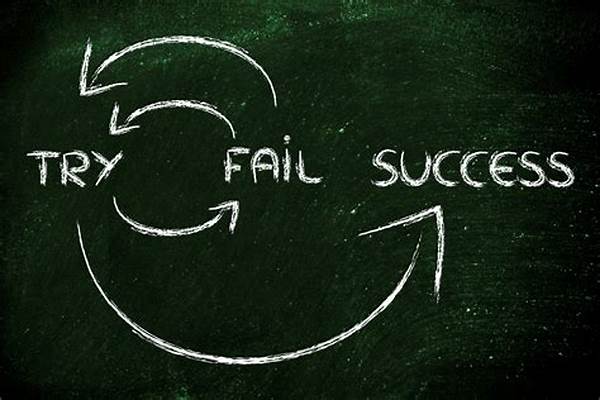
 0
0
 0
0
In the realm of personal and professional development, recognizing the value of learning from past failures cannot be overstated. Often, individuals and organizations face setbacks that present opportunities for growth and improvement. By adopting a reflective approach, one can convert these failures into stepping stones toward success. This article explores various aspects of learning from past failures through structured insights and advice.
Read Now : Balancing Study And Stress Management
The Importance of Reflecting on Failures
Reflecting on past failures serves as a crucial foundation for personal and professional advancement. At times, the throes of failure can feel overwhelming; however, it is imperative to transform these moments into reflective opportunities. Analyzing one’s mistakes helps to uncover valuable lessons that can guide future actions. By understanding what went wrong, one can avoid repeating the same errors and thus foster resilience. Moreover, learning from past failures cultivates a growth mindset, which is essential for adapting to change and uncertainty. As individuals confront their past missteps, they gain the insight necessary to turn potential vulnerabilities into strengths.
In the corporate world, embracing failure as part of the growth process is equally important. Organizations that view setbacks as learning opportunities often outperform those that do not. By fostering a culture that encourages experimentation and risk-taking, companies can inspire innovation and creativity. When employees are not afraid to fail, they are more likely to push boundaries and achieve breakthroughs that drive long-term success. Consequently, learning from past failures not only benefits individual employees but also contributes to the organization’s overall vitality.
Furthermore, the process of reflecting on failures can enhance decision-making skills. It allows individuals to scrutinize various aspects of their decisions, identify areas for improvement, and apply these insights to future scenarios. Whether in personal endeavors or professional settings, being equipped with the knowledge gained from past failures can significantly bolster one’s ability to navigate complex challenges.
Strategies for Effective Learning from Past Failures
1. Acknowledgment of Errors: Recognizing and accepting one’s mistakes is the first step towards learning from past failures. It requires honesty and the humility to admit that no one is infallible.
2. Comprehensive Analysis: Conducting a detailed analysis of what went wrong helps in identifying the root causes of failure. This involves gathering data, seeking feedback, and examining processes.
3. Feedback Integration: Actively seeking and integrating feedback into one’s reflection process allows for diverse perspectives and can provide deeper insights into the reasons for failure.
4. Adaptation and Implementation: Applying the lessons learned by making necessary adjustments and implementing changes ensures growth and progress.
5. Continuous Learning: Viewing failures as ongoing learning opportunities promotes resilience and adaptability, allowing individuals to continuously evolve and improve.
Turning Failures into Learning Opportunities
Turning failures into learning opportunities requires a proactive mindset. The journey begins with the acknowledgment that failure is not the end, but rather a catalyst for improvement. It is essential to approach each setback with curiosity and a willingness to learn. Cultivating a mindset that embraces failure as a natural part of the growth process can lay the groundwork for lasting success.
Fostering an environment where mistakes are viewed as valuable learning experiences encourages creativity and innovation. Within this context, teams and individuals are more willing to take calculated risks, as they know that failures will be met with constructive feedback rather than punitive measures. This shift in perspective can lead to significant advancements and breakthroughs. Over time, such an environment can foster a culture of continuous improvement, where learning from past failures becomes an integral part of the organizational ethos.
Tools and Techniques for Learning from Past Failures
1. Journaling: Documenting thoughts and reflections on failures helps organize learning and track progress over time.
2. Restorative Practices: Engaging in practices that support mental and emotional recovery aids in deriving meaningful insights from failures.
3. Mentorship: Seeking guidance from mentors can provide valuable perspectives and strategies for overcoming and learning from past failures.
4. Workshops and Training: Participating in developmental workshops or training sessions can equip individuals with new skills and insights for future endeavors.
Read Now : Plagiarism Undermining Student Education
5. Peer Discussions: Collaborative discussions with peers can offer different viewpoints and collective wisdom that enhances the learning process.
6. Scenario Analysis: Imagining different scenarios based on past failures helps in preparing for future challenges and developing better strategies.
7. Feedback Sessions: Regularly scheduled feedback sessions support continuous learning and facilitate open communication and improvement.
8. Goal Setting: Establishing clear, attainable objectives guides the learning process and keeps it focused on specific outcomes.
9. Self-Assessment: Regular self-assessment ensures personal accountability and aligns learning efforts with personal and professional goals.
10. Case Studies: Studying case studies of similar failures helps in understanding broader patterns and developing effective action plans.
Implementing a Culture of Learning from Failures
Implementing a culture that celebrates learning from past failures requires a strategic approach. Leaders must actively promote openness and transparency, encouraging their teams to share both successes and setbacks. By shifting to a mindset that values constructive criticism and feedback, organizations can create an environment that nurtures growth. Empowering employees to take ownership of their learning journey bolsters their confidence and drives innovation.
Organizations should also invest in resources that support the learning process, such as training programs, mentoring opportunities, and collaborative platforms. These resources enable individuals to learn from each other’s experiences and foster an inclusive culture where knowledge is shared freely. As employees engage in collective problem-solving, they develop stronger alliances and gain diverse insights that aid in overcoming challenges.
The Psychological Impact of Learning from Past Failures
Understanding the psychological impact of learning from past failures offers critical insights into personal growth. When individuals confront their failures, they often experience a range of emotions, from disappointment to frustration. However, channeling these emotions constructively can lead to significant personal development. It encourages resilience, prompting individuals to develop coping mechanisms that fortify their mental and emotional strength.
Overcoming the initial emotional responses to failure is crucial for harnessing its potential as a learning tool. By building resilience, individuals can navigate future setbacks with enhanced confidence and poise. Moreover, recognizing the unique lessons each failure presents aids in the cultivation of a more adaptable and robust mindset. As individuals grow comfortable with navigating failure, they become more adept at identifying opportunities for personal advancement and are less likely to be deterred by future obstacles.
Conclusion: Embracing Failures as Stepping Stones
In conclusion, embracing failures as stepping stones toward success requires a conscious shift in perspective. By acknowledging and learning from past failures, individuals can unlock new avenues for growth and development. The insights gained from this process lay the foundation for more informed decision-making, heightened resilience, and enduring success.
Organizations that foster a culture of learning from past failures stand to benefit immensely, with increased innovation and a more adaptable workforce. Embracing setbacks not as roadblocks but as opportunities for reflection and growth ensures that both individuals and organizations remain dynamic and competitive in an ever-evolving landscape. By continuously learning from past failures, one can build a future defined by success and continual progress.


