 By Lawrence Perez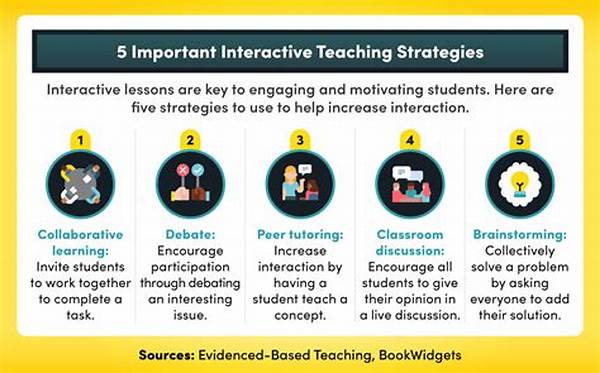
 0
0
 0
0
In the evolving landscape of education, interactive learning methods have increasingly gained recognition for their effectiveness in facilitating student engagement and comprehension. Traditional pedagogical techniques alone no longer suffice in addressing the diverse learning needs of contemporary students. As educators and institutions seek to enhance learning outcomes, the emphasis on interactive learning methods for students becomes paramount. This article explores the various facets of interactive learning that empower students to actively participate in their educational journey.
Read Now : Importance Of Clear Structure
Understanding Interactive Learning Methods
Interactive learning methods for students are designed to involve students directly in the learning process, thereby promoting a higher level of engagement and retention of information. These methods shift the focus from passive absorption of information to active participation, encouraging students to apply knowledge in practical contexts. Through interactive learning, students develop critical thinking and problem-solving skills, as they are often required to collaborate with peers and engage in discussions that challenge their preconceived notions.
Technological advances have further propelled the adoption of interactive learning methods for students, providing educators with an array of tools to foster a dynamic learning environment. Digital platforms and online resources offer new opportunities for interactive learning through virtual simulations, gamification, and collaborative projects. These innovations not only cater to the learning preferences of digital-native students but also prepare them for future endeavors in an increasingly tech-driven world. Consequently, the implementation of interactive learning strategies is essential for cultivating an adaptive and resourceful student body.
Incorporating interactive learning methods into educational curricula is a forward-thinking approach that recognizes the diverse abilities and interests of students. By focusing on creating an environment where students engage actively with the material, educators can facilitate a deeper understanding and appreciation of the subject matter. The transformation from traditional lecture-based strategies to interactive methods reflects an ongoing commitment to improving the quality and effectiveness of education, ultimately equipping students with the skills necessary for success in a rapidly changing society.
Key Components of Interactive Learning
1. Collaborative Work: Interactive learning methods for students often center around group activities where students engage in collaborative problem-solving tasks, thereby fostering teamwork and communication skills.
2. Technology Integration: Utilizing digital tools is a core aspect of interactive learning, enabling students to engage with course material through multimedia presentations, virtual labs, and interactive software.
3. Active Discussion: Encouraging open dialogues during lessons helps students articulate their thoughts and develop critical analysis skills, a crucial component of interactive learning methods for students.
4. Real-Life Applications: Applying theoretical concepts to real-world scenarios helps students understand the relevance of their studies, making interactive learning more impactful and meaningful.
5. Feedback Mechanisms: Implementing regular feedback sessions allows students to reflect on their learning journey, identify areas for improvement, and take an active role in their educational development.
Benefits of Interactive Learning
The advent of interactive learning methods for students has brought profound changes in educational dynamics, offering numerous advantages for both learners and educators. Foremost, interactive learning actively involves students in their educational process, which enhances their engagement and motivation. When students are directly involved in activities that require them to apply their knowledge, they tend to develop a deeper understanding of the subject matter. This active participation not only aids in retaining information but also stimulates the development of essential life skills, such as critical thinking, problem-solving, and collaboration.
Furthermore, interactive learning methods create a student-centered learning environment. By leveraging technology and collaborative techniques, educators shift from the traditional role of information providers to facilitators who guide students in discovering knowledge. This approach recognizes the importance of catering to diverse learning styles and needs, ensuring that all students have equal opportunities to succeed. Interactive learning also fosters a sense of ownership and responsibility among students, as they are encouraged to take charge of their learning paths, set goals, and assess their progress regularly.
Implementing Interactive Techniques in Classrooms
1. Flipped Classrooms: This model inverts traditional teaching methods, requiring students to engage with instructional materials at home and then actively participate in problem-solving during class sessions.
2. Peer Teaching: Allowing students to teach their peers reinforces their understanding while aiding others’ learning, epitomizing interactive learning methods for students.
3. Gamified Learning: Introducing game elements into education makes learning fun and engaging, thus motivating students to participate actively.
Read Now : Structured Outline Drafting Process
4. Project-Based Learning: By tackling complex projects, students apply their knowledge to practical scenarios, enhancing their research and presentation skills.
5. Interactive Whiteboards: These tools facilitate dynamic lessons where students can engage with content visually and kinesthetically by drawing and manipulating digital elements.
6. Simulations and Role-Playing: Creating simulated environments for students to explore theoretical concepts in practice allows them to understand complex subjects more thoroughly.
7. Case Studies: Analyzing and discussing real-world cases helps students to draw connections between their studies and actual industry practices.
8. Feedback and Reflection: Regular feedback sessions prompt students to critically assess their performance and learning journey, fostering continuous improvement.
9. Digital Quizzes and Polls: Utilizing technology for instant feedback encourages active participation and provides educators with insights into student understanding.
10. Think-Pair-Share: This technique involves individual thinking followed by peer discussions and sharing with the class, promoting collaborative learning and idea exchange.
Challenges and Opportunities
The integration of interactive learning methods for students in educational environments presents both challenges and opportunities. One notable challenge is ensuring that educators are adequately trained and equipped to implement these methods effectively. This shift requires a reevaluation of traditional teaching practices and an openness to embrace new technologies and strategies. Additionally, designing curricula that accommodate interactive learning may be time-consuming and require significant resources.
However, the opportunities presented by interactive learning are substantial. Beyond enhancing student engagement and learning outcomes, these methods prepare students for the complexities of modern work environments. They cultivate essential skills such as adaptability, communication, and teamwork, which are invaluable in diverse career sectors. Moreover, by embracing interactive learning, educational institutions demonstrate their commitment to evolving with the educational needs of the 21st century.
Conclusion: The Future of Interactive Learning
In conclusion, interactive learning methods for students represent a transformative shift in educational paradigms. By actively involving students in the learning process, schools and educators can create enriching educational experiences that align with the skills and competencies demanded by contemporary society. As we look towards the future of education, the adoption of interactive learning methods remains pivotal in preparing students for lifelong learning and success.
As educational systems increasingly recognize the limitations of traditional teaching methods, the move towards interactive learning signifies a commitment to providing high-quality education for all students. The focus on student engagement, collaboration, and practical application of knowledge signifies an acknowledgment of the diverse needs of learners. By continuing to innovate and refine these methods, educational institutions can ensure that students are better equipped to navigate the complexities of an ever-evolving world.


