 By Lawrence Perez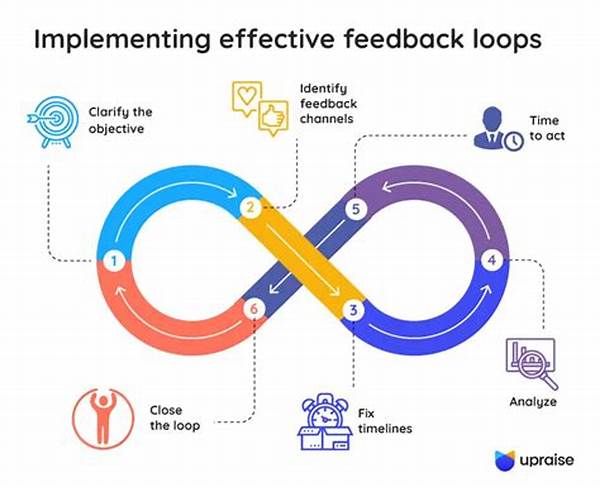
 0
0
 0
0
Feedback loops are essential mechanisms for continuous improvement in organizational processes, facilitating the transformation of constructive criticism into actionable insights. Implementing feedback loops successfully can significantly enhance the performance of individuals and teams by fostering an environment of open communication and proactivity. In this article, we will explore various aspects of successfully integrating feedback loops into your organizational framework, ensuring both efficacy and sustainability.
Read Now : Developing Ethical Writing Skills In Students
Understanding the Importance of Feedback Loops
Implementing feedback loops successfully requires a deep understanding of their importance in a modern business environment. Feedback loops facilitate an environment of continuous learning and adaptation, essential for maintaining a competitive edge. They help identify bottlenecks, recognize performance gaps, and provide valuable insights into employee morale and customer satisfaction. When executed effectively, feedback loops empower employees to share honest feedback without fear of retribution, thus promoting transparency.
The successful implementation of feedback loops plays a critical role in bridging the gap between expected and actual performance levels. By consistently collecting, analyzing, and acting upon feedback, organizations can refine their processes to better meet the demands of their stakeholders. The commitment to implementing feedback loops successfully underscores an organization’s dedication to quality and excellence, ensuring long-term sustainability and growth.
Incorporating feedback loops into the organizational culture also involves embracing change and fostering an open mindset. These loops can drive innovation, as employees feel encouraged to express creative solutions to problems. Additionally, clear communication channels are established, allowing for the effective dissemination and discussion of feedback across all levels.
Key Principles for Implementing Feedback Loops Successfully
1. Clarity and Consistency: Implementing feedback loops successfully starts with clearly defining the objectives and processes involved, ensuring consistency in application.
2. Active Listening: Success relies on the ability to actively listen to feedback from all stakeholders, emphasizing understanding and empathy.
3. Timeliness: Promptly addressing feedback is crucial in demonstrating its value, reinforcing a culture of responsiveness and respect.
4. Actionable Insights: Transforming feedback into actionable insights is fundamental, requiring rigorous analysis and the identification of concrete steps for improvement.
5. Iterative Improvement: Continuously refining feedback processes ensures they remain relevant and effective, embodying the principle of iterative improvement.
Challenges in Implementing Feedback Loops Successfully
Successfully implementing feedback loops involves navigating a number of challenges. Resistance to change is a common obstacle, often stemming from a lack of understanding of the feedback process. Organizations must focus on educating their workforce regarding the benefits and techniques involved in collecting and utilizing feedback. Overcoming skepticism requires that management demonstrate genuine commitment to using feedback as a tool for positive change rather than punitive measures.
Another challenge lies in ensuring the feedback collected is relevant and constructive. Implementing feedback loops successfully necessitates establishing criteria for what constitutes useful feedback and training participants to provide constructive criticism. Moreover, evaluating feedback effectively involves analytical skills, enabling the transformation of raw data into actionable insights, thereby influencing strategic decision-making.
Furthermore, organizations must guard against information overload. The implementation of feedback loops should be managed carefully to avoid bombarding employees and managers with excessive data that can lead to analysis paralysis. A focused approach that prioritizes key performance areas typically results in better outcomes and fosters a sense of accomplishment in achieving measurable improvements.
Strategies for Overcoming Challenges
1. Educational Initiatives: Providing training on feedback mechanisms enhances understanding and acceptance among employees, facilitating smoother implementation.
2. Setting Clear Goals: Defined objectives guide the collection and application of feedback, ensuring relevance and alignment with organizational priorities.
3. Selective Data Collection: Focusing on critical areas prevents information overload and ensures manageable, actionable insights are gathered.
Read Now : Constructive Feedback In Creative Processes
4. Regular Review Sessions: Routine discussions on feedback outcomes and process efficiency support ongoing improvement and adaptation.
5. Inclusive Participation: Encouraging broad input fosters diverse perspectives, leading to more comprehensive and innovative solutions.
6. Leadership Commitment: Strong leadership endorsement underscores the importance of feedback loops and builds trust among participants.
7. Technological Support: Employing tools to manage and analyze feedback enhances process efficiency and facilitates timely response.
8. Recognition and Reward: Acknowledging contributions to feedback encourages active participation and sustains momentum.
9. Feedback Loop Customization: Tailoring approaches to specific teams or projects maximizes relevance and effectiveness.
10. Cultural Integration: Embedding feedback processes within the organizational culture ensures long-term sustainability and acceptance.
Achieving Sustainability in Feedback Loops
Achieving sustainability in feedback loops requires alignment between feedback processes and the overall strategic vision. It is imperative to integrate feedback loops into the regular workflow rather than treating them as separate endeavors. This integration facilitates a seamless transition from insight collection to strategic action. Moreover, leaders should actively promote a culture of feedback by demonstrating how employee input influences organizational decisions. This transparency reinforces the value placed on feedback within the organization.
Implementing feedback loops successfully demands ongoing evaluation to adapt to changing organizational needs. Continuous refinement ensures that feedback mechanisms remain relevant and aligned with the evolving objectives of the organization. Utilizing technology to streamline feedback processes enhances efficiency and supports scalability, allowing for the effective handling of larger volumes of feedback without compromising quality. Lastly, fostering open communication and providing regular updates on the impact of feedback demonstrates the tangible benefits derived from feedback loops, motivating continued participation and engagement.
Conclusion: Harnessing the Power of Feedback Loops
In conclusion, implementing feedback loops successfully represents a transformative shift towards a culture of continuous improvement and collaboration. By understanding their importance, addressing common challenges, and adopting strategic solutions, organizations can harness the full potential of feedback loops. Committing to embedding feedback processes into the core organizational framework enhances performance, drives innovation, and fosters a culture of open communication.
Leveraging feedback loops as a strategic tool supports consistent alignment with organizational goals and adapts to both internal and external changes. Ultimately, the successful implementation of feedback loops enriches organizational agility and resilience, creating a robust platform for sustained success and growth. Through dedication and strategic planning, organizations can cultivate an environment where feedback is valued and drives meaningful change, ensuring long-term excellence in their operations and outcomes.


