 By Lawrence Perez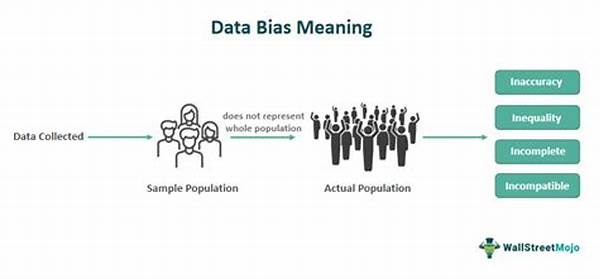
 0
0
 0
0
In today’s data-driven world, the integrity of data methodologies is of paramount importance. Identifying bias in data methodologies is crucial to ensure that the insights drawn are both accurate and fair. Biases can distort results, leading to misleading conclusions that can affect decision-making processes across various industries. Therefore, understanding and addressing such biases is essential for maintaining the objectivity and reliability of data analyses.
Read Now : Review Of Source Citation Software
The Importance of Identifying Bias
Bias in data methodologies can arise from various sources, including sampling errors, data collection techniques, and personal biases of researchers. Identifying bias in data methodologies is imperative because it impacts the credibility of the data conclusions. Data that is biased can lead to erroneous insights, which may result in flawed strategies and decisions. This process involves examining the entire data lifecycle, from collection to analysis, to ensure that every step is free from bias. Researchers and data analysts must be vigilant in recognizing signs of bias and implement strategies to mitigate them. They should use diverse data sources and validation techniques to ensure that interpretations are as unbiased as possible. By rigorously evaluating the methodologies employed, organizations can safeguard against the inadvertent influence of biases, ensuring the ensuing decisions they make are based on robust and reliable data.
Moreover, the significance of identifying bias in data methodologies extends beyond just the accuracy of results. It plays a vital role in fostering transparency and trust in data-driven decisions. When stakeholders are confident that the data methodologies used are free from bias, they are more likely to trust and act on the findings. This trust becomes particularly important in fields such as healthcare, finance, and public policy, where biased data can have far-reaching consequences. In addition, addressing bias actively contributes to ethical research practices, thereby enhancing the reputation of businesses and institutions in an increasingly scrutinous world. Ultimately, the quest to identify and eliminate bias should be a foundational aspect of any data-driven strategy.
Methods for Identifying Bias
1. Data Audit: Conducting a comprehensive audit of the data collection and analysis process is vital for identifying bias in data methodologies. This step involves scrutinizing every phase from data gathering to interpretation.
2. Diverse Sampling Techniques: Using diverse sampling techniques can help eliminate bias by ensuring that the data represents all relevant segments of the population, thus reducing overrepresentation or underrepresentation.
3. Cross-validation Methods: Implementing cross-validation methods validates the reliability of data analyses and models, providing assurance that results are not skewed by biased data or analytic procedures.
4. Transparency and Documentation: Ensuring transparency and meticulous documentation of all data processes allows for easier identification of biases and fosters trust in the resultant data interpretations.
5. Bias Detection Tools: Employing specialized bias detection tools and software can assist researchers in pinpointing specific instances and sources of bias within their data sets.
Challenges in Identifying Bias
While the identification of bias in data methodologies is undoubtedly crucial, it is fraught with challenges. One of the significant hurdles is the inherent complexity of modern data environments. With large volumes of data streaming from varied sources, recognizing patterns indicative of bias becomes an arduous task. Additionally, biases can be subtle, often emerging from unconscious framing choices by data collectors or analysts. These challenges necessitate a sophisticated understanding of data science principles, along with continuous vigilance to identify where bias might infiltrate the data.
Moreover, the rapidly changing technological landscape adds to these challenges, as new methodologies and tools continually emerge. Staying abreast of such advancements is essential for effectively identifying bias in data methodologies. Researchers and practitioners must be committed to ongoing education and innovation in their approaches to safeguarding against bias. This commitment involves adopting new techniques for detecting and mitigating biases, ensuring their methods evolve to match the sophistication of their data environments. Only with such dedication can the challenges in identifying bias be effectively met, leading to more accurate and fair outcomes in data analysis.
Strategies for Mitigating Bias
1. Comprehensive Training: Providing detailed training for data scientists and analysts in recognizing and mitigating bias is vital for identifying bias in data methodologies.
2. Bias Awareness Programs: Implementing awareness programs helps cultivate an organizational culture vigilant against bias in every aspect of data handling.
3. Regular Methodology Review: Periodic reviews of data methodologies ensure that any potential biases are identified and rectified promptly.
4. Use of Artificial Intelligence: Harnessing AI can assist in recognizing patterns of bias that may be too intricate for human detection alone.
5. Third-Party Audits: Engaging third-party audits for unbiased evaluation of data methodologies helps bring external perspectives to the assessment of potential biases.
Read Now : Importance Of Adhering To Guidelines
6. Algorithmic Transparency: Ensuring transparency in algorithmic processes can aid in uncovering biases embedded within data processing systems.
7. Ethical Data Practices: Prioritizing ethical practices in data collection and analysis is fundamental to maintaining unbiased methodologies.
8. Diverse Teams: Encouraging diversity within teams can bring a broader range of perspectives, reducing the risk of bias due to homogeneous viewpoints.
9. Public Disclosure: Sharing methodologies in public domains can invite constructive criticism, aiding in the identification and correction of biases.
10. Feedback Loops: Establishing robust feedback mechanisms from stakeholders helps in continuously refining methodologies to be bias-free.
The Role of Technology in Bias Identification
Technology plays a pivotal role in the process of identifying bias in data methodologies. Advanced analytics tools enable data scientists to scrutinize vast datasets for anomalies that suggest bias. Machine learning algorithms, designed to flag patterns deviating from expected norms, are indispensable in this regard. These tools can process immense volumes of data at high speed, pinpointing subtle biases that might escape manual detection. By leveraging such technologies, organizations can enhance their accuracy in identifying and confronting bias.
Furthermore, technology facilitates the automation of bias detection, introducing efficiencies and minimizing human error. Automated systems can continuously monitor data streams, alerting analysts to potential bias issues in real time. This proactive approach ensures timely intervention, preventing biases from skewing results. However, while technology is a powerful ally in identifying bias in data methodologies, it is not infallible. It requires careful calibration and human oversight to ensure that the algorithms themselves do not introduce new biases. Hence, technology must be complemented with human expertise for optimal results in bias identification.
Ethical Implications of Biased Data
The ethical implications of biased data cannot be overstated. Decisions based on skewed data can propagate systemic inequalities, adversely affecting marginalized groups. Thus, identifying bias in data methodologies is not only a technical challenge but also an ethical imperative. It demands adherence to principles of justice and fairness in data practices. Organizations must prioritize ethical considerations, ensuring that their methodologies do not perpetuate discrimination or injustice. Addressing these ethical implications involves engaging with diverse voices and incorporating societal values into data practices.
Moreover, ethical data practices inspire trust among stakeholders. As consumers become increasingly aware of data ethics, organizations that demonstrably commit to identifying and rectifying bias will earn their trust and loyalty. This trust is invaluable, particularly in sectors where data-driven decisions significantly impact human lives. By embedding ethical considerations in their data methodologies, organizations can mitigate risks associated with biased data and uphold their responsibility towards society. This commitment to ethics ensures the longevity and credibility of their data-driven endeavors.
Conclusion
In conclusion, identifying bias in data methodologies is a multifaceted endeavor that necessitates a strategic approach. The integration of cutting-edge technologies, combined with a strong ethical grounding, forms the backbone of effective bias identification. Organizations must remain vigilant, continually refining their methodologies to meet the evolving challenges of bias. Through comprehensive training, regular reviews, and ethical practices, they can safeguard against biases that threaten the integrity of their data-driven decisions. Ultimately, the pursuit of unbiased data methodologies is essential for ensuring fairness, transparency, and justice in our data-centric world.
It is imperative that organizations commit to the ongoing examination and enhancement of their data methodologies. By prioritizing the identification and mitigation of bias, they can make informed decisions that reflect reality rather than prejudice. This commitment not only enhances the accuracy of their insights but also strengthens their reputation as entities dedicated to ethical integrity. As we continue to navigate an era where data plays a pivotal role in shaping our world, the importance of identifying and addressing bias cannot be overstated.


