 By Lawrence Perez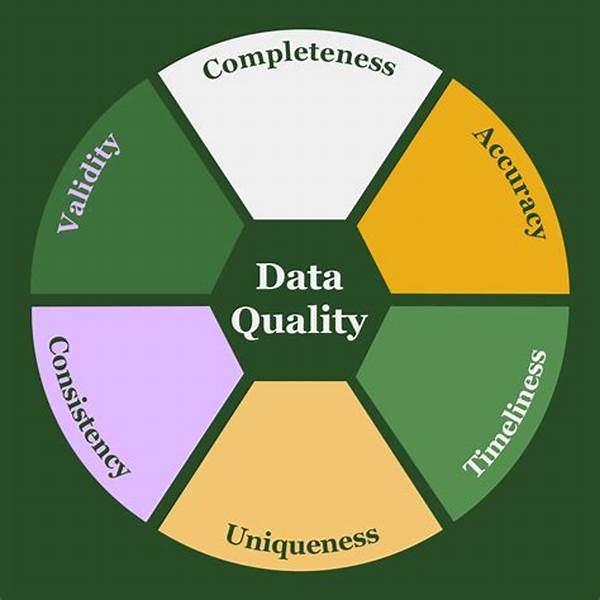
 0
0
 0
0
In an era where data is deemed the lifeblood of organizations, ensuring high-quality data inputs becomes paramount. The integrity of data inputs determines the reliability of analytical outcomes, which in turn influences decisions that affect strategic directions and operational efficiencies. Hence, organizations across various sectors invest heavily in processes and technologies that enhance data quality. In this article, we will explore the multifaceted aspects of ensuring high-quality data inputs, its significance, and the mechanisms that facilitate its maintenance.
Read Now : Open Access Scientific Publication Platforms
Importance of High-Quality Data Inputs
Ensuring high-quality data inputs is critical for several reasons. Firstly, the quality of data directly impacts the accuracy of analytics. Data errors can lead to misguided interpretations, resulting in flawed decision-making processes. Secondly, high-quality data input is integral for optimizing operational efficiencies. Whether in supply chain management, customer relationship management, or financial operations, the accuracy of data determines process effectiveness. Finally, ensuring high-quality data inputs nurtures trust across various organizational echelons. If stakeholders believe in the integrity of data-backed insights, it reinforces confidence in leadership and promotes a culture of data-driven decision-making.
Moreover, the quest for high-quality data inputs necessitates stringent data governance protocols. Establishing clear policies concerning data collection, storage, and processing is imperative. Such protocols mitigate risks associated with data breaches and ensure compliance with regulatory standards. Additionally, technology plays a pivotal role in maintaining high data quality. Tools for data validation, cleansing, and integration are employed to eliminate redundancies and inaccuracies. Furthermore, organizations are encouraged to adopt a continuous improvement approach towards data management, wherein regular audits and quality checks are integrated into the data lifecycle.
The benefits reaped from ensuring high-quality data inputs are manifold. Apart from improved decision-making and operational efficiencies, high-quality data enhances customer satisfaction. Personalized services and product offerings, which are data-driven, result in improved customer experiences and loyalty. Additionally, for businesses seeking to innovate, reliable data inputs provide critical insights into market trends and customer preferences, thus directing the development of new products and services. Consequently, organizations that prioritize data quality stand to gain a competitive advantage in the market.
Key Strategies for Ensuring Data Quality
1. Data Validation: Implementing protocols for data validation is crucial to ensuring high-quality data inputs. This process ensures that data meets specified criteria and is ready for analysis.
2. Data Cleansing: Regular data cleansing activities remove inaccuracies and inconsistencies, ensuring high-quality data inputs for all strategic operations and analyses.
3. Technology Integration: Leveraging advanced technology solutions facilitates real-time data monitoring and alerts, thereby ensuring high-quality data inputs and minimizing errors.
4. Training and Awareness: Organizational commitment to training enhances workforce understanding of data management practices, which is essential in ensuring high-quality data inputs.
5. Regular Audits: Conducting data audits periodically is a proactive strategy to ensure high-quality data inputs, allowing for the identification and resolution of data issues.
The Role of Technology in Data Quality Assurance
In the modern data landscape, technology emerges as an indispensable tool in ensuring high-quality data inputs. Data management platforms, when integrated with advanced machine learning algorithms, allow for real-time processing and validation of data entries. These systems can identify anomalies and flag potential errors, thereby enabling prompt corrective actions. Moreover, with the growing volume of data, automation becomes crucial. Automated data cleansing and transformation processes enhance operational efficiencies, reducing the time and effort required for manual intervention.
Furthermore, blockchain technology is proving to be an innovative approach to ensuring data integrity. By offering decentralized and secure ledgers, blockchain ensures that data entries are tamper-proof, thereby upholding the quality and trustworthiness of data inputs. Cloud computing also plays a vital role in data quality assurance. Cloud-based data storage solutions offer scalability and reliability, allowing organizations to manage vast datasets without compromising quality. These technologies collectively form a robust ecosystem for ensuring high-quality data inputs, empowering businesses with reliable and accurate information for strategic decision-making.
Challenges in Maintaining Data Quality
1. Data Volume: The exponential growth in data volume poses challenges in ensuring high-quality data inputs due to the increased complexity of managing large datasets.
2. Data Sources: With diverse data sources, ensuring consistency and accuracy across platforms is a significant challenge in maintaining high-quality data inputs.
3. Human Error: Manual data entry is prone to errors, making it essential to implement checks and balances to ensure high-quality data inputs.
4. System Integration: Integrating disparate systems can lead to data discrepancies, necessitating meticulous efforts to ensure high-quality data inputs.
Read Now : Enhancing Research Efficiency With Software
5. Regulatory Compliance: Adhering to regulatory standards is imperative for ensuring high-quality data inputs, requiring organizations to stay updated with ever-evolving compliance requirements.
6. Technological Advancements: Keeping pace with technological advancements is necessary to effectively deploy tools and systems for ensuring high-quality data inputs in the digital age.
7. Data Security: Ensuring data security is crucial for maintaining the quality of data inputs, as breaches can lead to data corruption or misuse.
8. Resource Constraints: Limited resources can hinder efforts to ensure high-quality data inputs, affecting the overall data quality framework.
9. Organizational Buy-In: Achieving organizational buy-in for data quality initiatives is essential in ensuring high-quality data inputs are prioritized.
10. Continuous Improvement: Establishing a culture of continuous improvement is vital for consistently ensuring high-quality data inputs.
Ensuring Data Quality: Best Practices
The journey to ensuring high-quality data inputs is neither linear nor simple. Organizational strategies must be multifaceted, incorporating both technological and human elements. A significant practice is the establishment of comprehensive data governance standards. These standards provide a framework for data collection, usage, and storage, ensuring adherence to quality benchmarks. Additionally, fostering a data-centric culture within the organization is vital. Employees should be encouraged to understand the significance of data quality and how their roles contribute to achieving it.
Strategic collaborations with technology vendors can also facilitate high-quality data management. By leveraging the expertise of technology partners, organizations can adopt cutting-edge tools and systems tailored to their specific needs. Furthermore, setting measurable data quality goals aligns efforts across departments, offering clear objectives against which progress can be tracked. Feedback mechanisms and open communication channels are also instrumental in enhancing data quality. Employees should be empowered to highlight challenges and propose improvements, ensuring a dynamic and responsive data management environment.
In conclusion, ensuring high-quality data inputs is a critical endeavor that necessitates a concerted effort from all stakeholders involved. Organizations thriving in today’s competitive landscape recognize the transformative power of accurate and reliable data. By adopting best practices, integrating technological solutions, and cultivating an organizational ethos centered on data quality, businesses can unlock new opportunities and drive sustainable growth.
Conclusion: The Future of High-Quality Data
As businesses transition into increasingly digital operations, ensuring high-quality data inputs will become an even more critical aspect of strategic planning. Data is rapidly becoming one of the most valuable assets for corporations across all sectors, and its quality directly correlates with the realization of business objectives. Moving forward, organizations are expected to adopt more sophisticated data management solutions, incorporating elements such as artificial intelligence and predictive analytics to bolster data quality frameworks.
Moreover, the emphasis on data quality is likely to be mirrored by evolving regulatory frameworks, mandating stringent compliance requirements. As such, organizations must stay ahead of the learning curve by continuously updating their data governance policies. The future of high-quality data is one where collaboration between human expertise and technological innovation will define the standards and practices that sustain competitive advantage. In this evolving landscape, the organizations that prioritize ensuring high-quality data inputs will not only survive but thrive.


