 By Lawrence Perez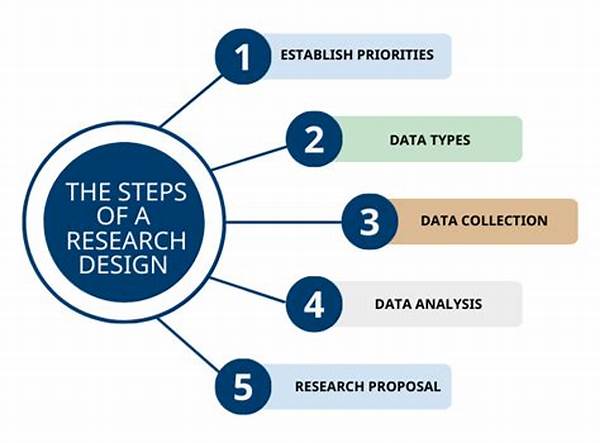
 0
0
 0
0
Crafting a thesis represents a critical phase in an academic journey. The thesis research design and planning phase plays a pivotal role in determining the trajectory of the study’s success. It involves systematic thought processes, logical reasoning, and comprehensive understanding to ensure a cohesive and coherent examination of the subject matter. The planning stage requires meticulous dedication to ensure that the research question is addressed effectively and efficiently.
Read Now : Review Of Tools For Organizing Research Papers
Components of Thesis Research Design and Planning
A comprehensive thesis research design and planning process encompasses several critical components. Initially, the process begins by identifying and refining the research question, which forms the core of the entire study. The formulation of a clear and concise research question is fundamental, as it directs the subsequent stages of research. Secondly, the theoretical framework is developed, which serves as a foundation for understanding and interpreting the data. This framework guides the methodological approach and sheds light on the relationships between various variables. The next component involves selecting suitable research methods and tools, ensuring they align with the objectives set forth by the research question. Additionally, crafting a detailed timeline for the research activities is essential in maintaining a structured approach. This timeline acts as a roadmap, navigating through different phases of the research and helping manage time effectively. Finally, ethical considerations are integrated into the planning process, ensuring that the research adheres to integrity and ethical standards. Emphasizing these components within thesis research design and planning solidifies the groundwork necessary for executing a fruitful study.
Key Steps in Thesis Research Design and Planning
1. Defining the Research Problem: Establishing a well-defined research problem is fundamental for setting the tone of the thesis research design and planning.
2. Literature Review: Conducting an extensive literature review to contextualize the research question within existing studies.
3. Selecting Methodology: Choosing an appropriate methodology that aligns with the research objectives and questions.
4. Data Collection Strategy: Designing a systematic data collection strategy, tailored to gather relevant and accurate data.
5. Analysis Plan: Planning the analysis approach, ensuring the data addresses the research question effectively through thorough interpretation.
Importance of a Methodical Approach
The significance of a methodical approach in thesis research design and planning cannot be overstated. A meticulously designed plan fosters clarity, enabling researchers to navigate through the complexities of academic inquiry. This approach ensures that each phase of the research is executed with precision and accuracy, reducing the risks of errors and enhancing the validity of the findings. Moreover, adopting a methodical approach instills confidence in the researcher, providing a structured path to follow, particularly during challenging phases of the study. The reliance on a clear plan minimizes uncertainties and streamlines decision-making processes. Consequently, a robust thesis research design and planning phase contributes significantly to the achievement of meaningful and impactful research outcomes. It lays a solid foundation for the entire research endeavor, facilitating a deeper exploration of the subject matter and allowing the research to contribute substantially to the existing body of knowledge.
Read Now : Enhancing Ethical Judgment In Education
Challenges in Thesis Research Design and Planning
Identifying research questions can be challenging due to the broad scope of potential topics and the need for specificity in focus. Time management emerges as another challenge, requiring careful scheduling to ensure timely progress. Resource allocation becomes critical, as securing adequate resources and access to data and literature is essential for comprehensive research. Ethical considerations must be addressed, requiring careful attention to confidentiality, consent, and data protection. Adapting to unexpected changes is often necessary, as unforeseen challenges can alter the course of research design and planning. Data accuracy and reliability are vital concerns, necessitating rigorous methods to ensure integrity. Securing academic guidance and mentorship can be difficult, impacting the quality of feedback. Analyzing complex data sets presents challenges, requiring analytical skills and software proficiency. Maintaining motivation throughout the lengthy process can be arduous. Lastly, publishing results involves navigating the peer-review process and potential rejections, underscoring the importance of effective research design and planning to mitigate these challenges.
Significance of a Solid Theoretical Framework
A solid theoretical framework is indispensable in the thesis research design and planning process. It provides the conceptual underpinnings for the research, anchoring the study within the broader context of the academic field. By outlining the relationship between variables and identifying underlying assumptions, the theoretical framework facilitates a deeper understanding of the research problem. It guides the methodological decisions and data interpretation, ensuring coherence and consistency throughout the study. Moreover, a robust framework enhances the study’s credibility by grounding it in established theories and concepts. It allows researchers to articulate their hypotheses clearly and to position their research within the existing body of knowledge, thereby making meaningful contributions to their field. Ultimately, a well-developed theoretical framework empowers researchers to produce rigorous, reliable, and impactful research findings, cementing the significance of meticulous thesis research design and planning.
Evaluating Thesis Research Design and Planning Effectiveness
The evaluation of the effectiveness of thesis research design and planning can be undertaken through various means. Firstly, the alignment of the research outcomes with the initial objectives can provide insights into the adequacy of the planning phase. Secondly, the systematic and coherent application of methodology underscores the effectiveness of the design. Thirdly, scrutinizing the process for ethical adherence highlights the integrity of planning. Fourthly, assessing the resource utilization efficiency ensures that planning was optimal in terms of time and materials. Fifthly, an appraisal of the adaptability to unforeseen challenges can reveal the resilience of the research design. Sixthly, evaluating the contribution to existing knowledge indicates the impact of the thesis. Seventhly, feedback from peers and mentors can offer external validation of the design’s robustness. Eighthly, the reproducibility of results serves as another marker of successful research design. Ninthly, the publication of findings in reputable journals can attest to the quality and significance of the research. Lastly, reflecting on the learning and experience gained can provide a comprehensive view of the planning’s overall effectiveness, cementing its role in the successful execution and completion of the research endeavor.
Conclusion and Reflection on the Process
The culmination of thesis research design and planning signifies a pivotal achievement in the academic journey, encapsulating countless hours of diligent effort, strategic planning, and dedication. Through a systematically crafted approach, researchers are equipped to delve deeply into their chosen fields, contributing to the broader academic discourse. This process not only refines the research question but also elucidates the methodological path, ensuring a structured and organized investigation. The thoughtful design and meticulous planning are imperative for fostering reliable and robust conclusions, underscoring the intrinsic value of this critical phase.
In light of the challenges encountered and the knowledge accumulated, the process of thesis research design and planning emerges as a deeply transformative experience. It enhances scholarly acumen and bolsters the researcher’s capacity for critical thinking and problem-solving. This journey not only culminates in the successful completion of a thesis but also prepares the researcher for future academic and professional pursuits. The insights gained, both theoretically and practically, serve as a foundation for continued growth and innovation. The invaluable lessons learned through this rigorous process underscore the essential role of research design and planning in shaping meaningful, impactful, and enduring scholarly contributions.


